For decades, one of the most important questions in medicine has been: Is there a cure for HIV? The search for a permanent cure for HIV remains ongoing, but modern treatments have transformed the condition into a manageable, chronic illness. Today, patients on proper therapy can live long, healthy, and productive lives.
While we do not yet have a universal cure for HIV, medical experts are closer than ever before, and groundbreaking research continues to offer hope for the future.

For decades, one of the most important questions in medicine has been: Is there a cure for HIV? The search for a permanent cure for HIV remains ongoing, but modern treatments have transformed the condition into a manageable, chronic illness. Today, patients on proper therapy can live long, healthy, and productive lives.
While we do not yet have a universal cure for HIV, medical experts are closer than ever before, and groundbreaking research continues to offer hope for the future.
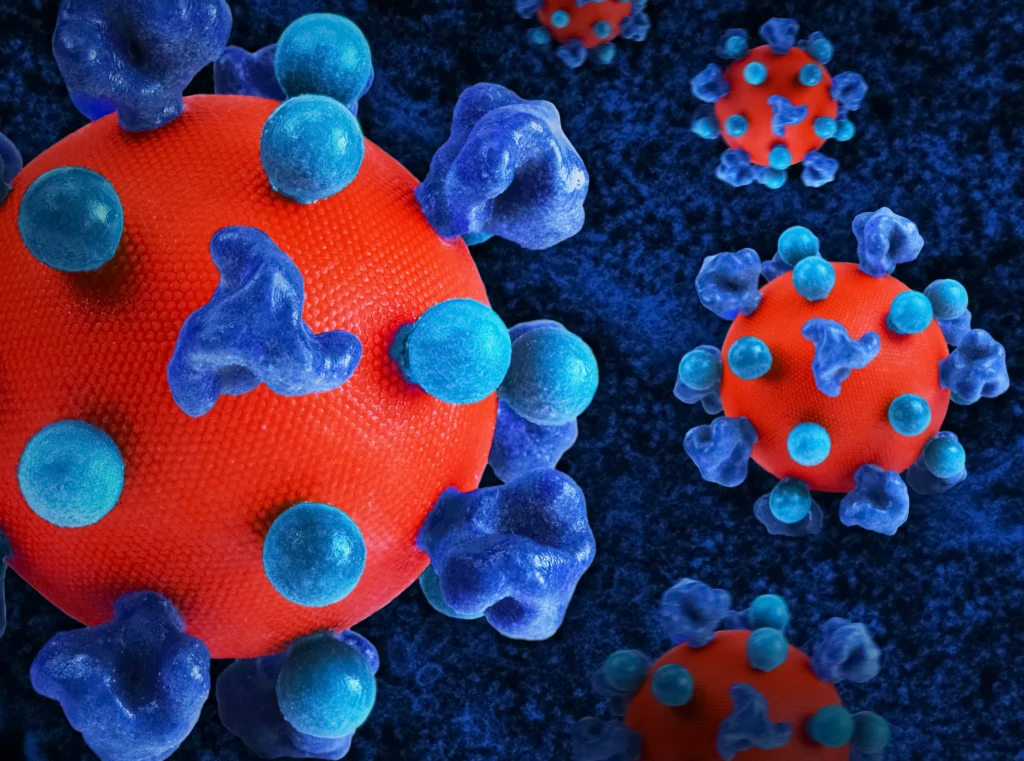
HIV (Human Immunodeficiency Virus) weakens the immune system by targeting CD4 cells. Even with advanced therapies, the virus hides in “reservoirs” in the body, which makes developing a complete cure for HIV extremely challenging.
However, modern antiretroviral therapy (ART) can suppress the virus to undetectable levels. According to the Centers for Disease Control and Prevention (CDC), people who achieve and maintain an undetectable viral load cannot transmit HIV sexually.
Though ART is not a true cure for HIV, it allows patients to live nearly normal lifespans with consistent treatment.
Scientists are exploring two major categories of potential cures:
1. Functional Cure
A functional cure for HIV would not remove the virus entirely but would control it without daily medication. Some experimental therapies aim to train the immune system to suppress HIV long-term.
2. Sterilizing Cure
A sterilizing cure for HIV means eliminating the virus completely from the body. This has occurred only in a few rare cases involving complex stem cell transplants, which are not widely accessible.
Current Promising Strategies
For more information, visit the NIH HIV Research Program.
Without treatment, HIV progresses to AIDS, leaving the immune system severely weakened. This increases the risk of infections, cancers, and potentially fatal complications. This is why ongoing medical care is essential—even while researchers search for a definitive cure for HIV.
While we wait for a universal cure for HIV, effective management is available now. Key strategies include:
Daily medication lowers viral load and protects long-term health.
Many HIV patients use medical cannabis to help with appetite, nausea, pain, and anxiety. While cannabis is not a cure for HIV, it offers supportive relief and improves quality of life.
Modern treatment has changed transmission risk, which we explain in can you get HIV from someone who is undetectable.
Learn more on our Florida Medical Marijuana Qualifying Conditions page.
HIV is a qualifying condition for medical cannabis in many states.
To get started:
See more on our Florida MMJ Card Information Page.
At Ozark MMJ Cards, we help HIV patients access safe, supportive medical cannabis options. Our physicians guide you through every step with compassion and expertise.
Start your certification today and explore supportive care options while science continues the search for a cure for HIV.
Schedule Now!
Nausea from treatment is common, and some patients ask does marijuana work for nausea.