
When facing a Glaucoma diagnosis, one of the most pressing questions patients ask is: Is Glaucoma Hereditary?
The connection between family history and the development of this progressive eye disease is a complex and important one. While having a relative with Glaucoma doesn’t guarantee you will develop it, research clearly indicates that genetic factors significantly elevate your personal risk. For people managing this condition, advancements in clinical care and supportive treatment options, such as medical cannabis for Glaucoma patients in Florida, offer critical support to protect vision and maintain a high quality of life.

This content has been medically reviewed for accuracy and reflects current medical marijuana guidance and patient education standards.
DECEMBER 2025
Glaucoma is characterized by damage to the optic nerve, frequently associated with elevated intraocular pressure (IOP). This optic nerve deterioration can lead to irreparable vision loss. The disease is classified into several Types of Glaucoma, but most share a common thread: damage to the nerve pathways that transmit visual information to the brain.
Studies have demonstrated that individuals with a parent or sibling diagnosed with Primary Open-Angle Glaucoma (POAG)—the most prevalent form—have a four to ninefold increase in their risk profile compared to the general populace. Identifying this genetic predisposition confirms that, for many, the answer to Is Glaucoma Hereditary is yes. This high-risk category should pursue regular and thorough ophthalmic screenings.
The progressive nature of Glaucoma means visible symptoms of damage. What glaucoma looks like often goes unnoticed until the disease is advanced. Because vision loss is generally slow and affects the peripheral field first, the brain compensates, leading many patients to remain asymptomatic for years.
Peripheral Vision Loss: A slow, creeping loss of side vision, leading to “tunnel vision.”
Blind Spots: Irregular patches of vision loss in the central or peripheral field.
Acute Pain (in Angle-Closure type): Sudden severe eye pain, blurred vision, and halo effects around lights.
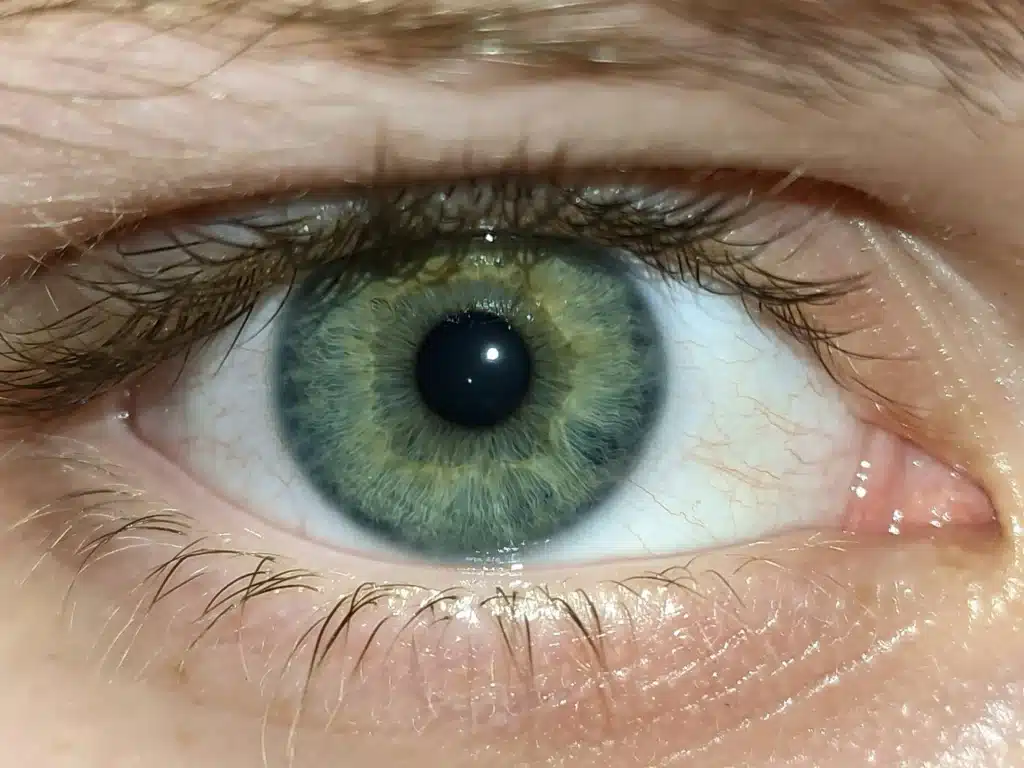
Effective Glaucoma management is focused entirely on preventing further damage to the optic nerve by lowering and stabilizing the IOP. Regardless of whether Is Glaucoma Hereditary for a particular patient, early detection and aggressive pressure control remain paramount since vision, once lost, cannot be recovered.
Peripheral Vision Loss: A slow, creeping loss of side vision, leading to “tunnel vision.”
Blind Spots: Irregular patches of vision loss in the central or peripheral field.
Acute Pain (in Angle-Closure type): Sudden severe eye pain, blurred vision, and halo effects around lights.
A common point of confusion exists among patients: is glaucoma cancer? It is important to clarify that Glaucoma is not a form of cancer.
Glaucoma is defined as a chronic, neurodegenerative condition impacting the optic nerve and visual field. In contrast, cancer involves the unchecked proliferation of malignant cells throughout the body. There is no biological overlap; Glaucoma affects the fluid dynamics and nerve integrity of the eye, whereas cancer is a systemic pathology. Understanding this distinction is vital for proper treatment and patient education.
While the question Is Glaucoma Hereditary is about risk, the question of effective relief often leads patients to medical cannabis. For years, the capability of cannabis to temporarily reduce intraocular pressure has been documented in scientific literature. This property, combined with its pain and anxiety management effects, makes it a valuable adjunctive therapy.
The American Glaucoma Society acknowledges that while medical cannabis can lower pressure, its short-term efficacy prevents it from replacing traditional medication; instead, it is best utilized for supportive symptom control.
Consultation: Schedule an evaluation with a state-certified physician.
Certification: Receive a recommendation if the physician confirms your diagnosis.
Registration: The physician enters you into the Florida Department of Health’s Medical Marijuana Use Registry.
Application: Complete the final online application for your state-issued card.
Access: Purchase products from licensed Florida dispensaries upon approval.
For official state rules and regulations, refer to the Florida Department of Health – OMMU site.
Need assistance navigating the regulatory path? Review our detailed Florida Medical Marijuana Card page for full guidance.
At Ozark MMJ Cards, we simplify the process of obtaining your medical marijuana certification, offering a compassionate and streamlined experience so you can concentrate on your health.
Book your appointment with Ozark MMJ Cards today.
Book your appointment with Ozark MMJ Cards today.
Q: Does medical marijuana replace prescription Glaucoma medication?
A: No, medical cannabis is a complementary treatment only. Its effects on IOP are temporary, and it should not be used as a substitute for physician-prescribed Glaucoma management therapies.
Q: Is Glaucoma a qualifying condition for medical marijuana in Florida?
A: Yes. Glaucoma is an approved qualifying condition under the state’s medical marijuana program.
Q: How do I prove that Is Glaucoma Hereditary impacts my condition for certification?
A: Certification requires a formal diagnosis from your physician. While family history (the hereditary aspect) is a risk factor, the certification is based on the verified Glaucoma diagnosis itself.
For those with a family history, the risk is real, and the answer to Is Glaucoma Hereditary is often confirmed through genetics. However, modern treatment, combined with supportive care like medical marijuana, significantly mitigates that risk. Medical cannabis provides comfort, relief, and an enhanced quality of life for Florida patients navigating this visual impairment.
Get certified for your Florida medical marijuana card with Ozark MMJ Cards today.
This content has been medically reviewed for accuracy and reflects current medical marijuana guidance and patient education standards.
DECEMBER 2025