Intractable Seizures: The Ultimate Pennsylvania MMJ Guide
Intractable seizures represent a severe, treatment-resistant form of epilepsy that qualifies patients for the Pennsylvania medical marijuana program. For individuals who do not find relief from traditional anti-epileptic drugs, medical cannabis offers a legally protected, alternative pathway to symptom management. Ozark MMJ Cards helps Pennsylvania residents navigate the state evaluation process seamlessly from the comfort of home.
What Are Intractable Seizures?
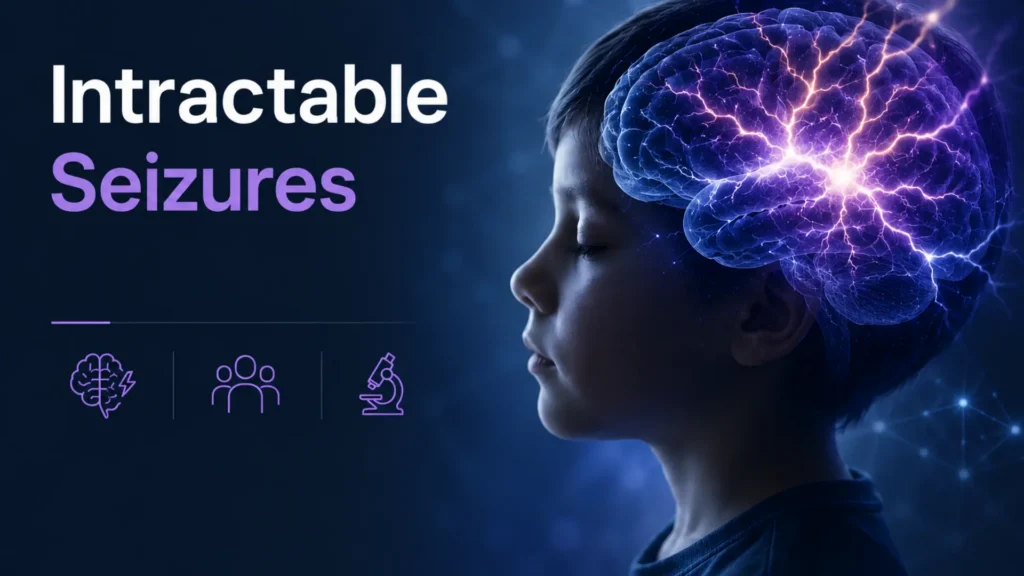
Intractable seizures—often referred to as refractory, drug-resistant, or treatment-resistant epilepsy—are electrical storms in the brain that cannot be brought under control by standard medical therapies. According to clinical consensus guidelines established by the International League Against Epilepsy (ILAE), a patient’s condition is officially categorized as treatment-resistant when they fail to achieve sustained freedom from episodes after undergoing adequate trials of two appropriately chosen, tolerated, and correctly scheduled anti-epileptic medications, whether administered as monotherapies or in combination (Kwan et al., 2010).
When a person suffers from this condition, the brain’s baseline electrical networks fire abnormally and unpredictably. These episodes can manifest as convulsive physical shaking (generalized tonic-clonic seizures) or subtle, blank-staring lapses in awareness (focal impaired awareness seizures). Living with uncontrolled neurological episodes means conventional pharmacy options have fallen short, presenting constant risks of physical injury, cognitive exhaustion, and progressive neurological strain.
Beyond the physical danger of injury during a convulsion, the persistent nature of these episodes drastically disrupts everyday life. In Pennsylvania, for instance, individuals must be completely seizure-free for at least six months before they can legally operate a motor vehicle. This loss of independence, combined with the memory impairments and chronic fatigue associated with frequent episodes, makes finding an effective alternative treatment plan an absolute necessity.
Why Intractable Seizures Became a Pennsylvania Qualifying Condition
The path to including intractable seizures as a top-tier qualifying medical condition under Pennsylvania’s Act 16 was paved by undeniable clinical evidence and desperate necessity. When the state’s medical marijuana program was signed into law, lawmakers explicitly prioritized conditions backed by significant clinical evidence showing that cannabis could safely reduce its burden. The core framework for this inclusion can be found directly within the official statutory text of the Pennsylvania General Assembly.
Medical marijuana became a primary target for epilepsy research due to its profound interaction with the human endocannabinoid system (ECS). The ECS is a complex network of receptors located throughout the central nervous system that regulates neurological stability, mood, and immune response. For patients whose brains are prone to hyper-synchronous electrical discharges, traditional drugs often fail because they only target basic chemical pathways. Cannabinoids offer a completely different mechanisms of action:
- Receptor Modulation: Clinical studies archived by the National Institutes of Health (NIH) demonstrate that cannabidiol (CBD) interacts with specialized cellular structures like GPR55 and TRPV1 channels to naturally dampen excessive electrical firing in brain pathways.
- Advocacy and History: The state program was heavily influenced by moving testimonies from families of pediatric patients who saw massive drops in daily episodes after using lab-tested cannabinoid extracts.
- Public Health Mandate: Because uncontrolled epilepsy increases the risk of Sudden Unexpected Death in Epilepsy (SUDEP), the Pennsylvania Department of Health recognized that providing a legal, regulated pipeline for medical cannabis was a crucial publi
Who Qualifies for Intractable Seizures in Pennsylvania?
To qualify for a medical marijuana card under this specific category, patients must meet strict state-mandated criteria. Pennsylvania allows evaluations for both first-time applicants and individuals seeking their annual renewal certificates.
The baseline qualification requirements include:
- Official Medical Documentation: You must have a formal diagnosis of epilepsy or an active seizure disorder documented by a licensed healthcare provider.
- Evidence of Treatment Resistance: Your records should clearly reflect that traditional therapies, lifestyle shifts, or anti-epileptic medications have failed to fully control your episodes.
- Proof of Residency: Applicants must present a valid Pennsylvania driver’s license or state-issued ID card displaying a current residential address.
- Physician Certification: A state-approved medical professional must evaluate your medical records and certify that medical marijuana could provide therapeutic benefits for your intractable seizures.
If you match these criteria, you can quickly initiate your consultation by visiting our Medical Marijuana Card appointment page.
Benefits of Medical Marijuana for Seizure Disorders
Clinical research and real-world patient tracking show that adding medical cannabis to a supervised wellness plan can offer remarkable stabilization. For individuals suffering from intractable seizures, incorporating medical cannabis into a supervised treatment plan can offer life-changing therapeutic relief.
Data monitored by the Centers for Disease Control and Prevention (CDC) and various research institutions highlight several core benefits:
- Drop in Episode Frequency: Peer-reviewed studies tracked by the National Institutes of Health (NIH) confirm that high-purity CBD formulations can drop monthly episode counts by more than 50% in severe cases.
- Reduced Physical Intensity: When an episode does occur, patients often report that the severe muscle spasms and physical convulsions are noticeably less violent.
- Faster Post-Ictal Recovery: Cannabis can help shorten the recovery phase directly following an episode, allowing individuals to regain speech, memory, and physical strength much faster.
- Neuroprotective Effects: Cannabinoids help reduce the neuroinflammation and oxidative stress caused by repetitive brain storms, helping preserve long-term cognitive health.
How to Get a Medical Marijuana Card in Pennsylvania
Pennsylvania utilizes a highly structured, fully remote portal system for managing its patient registry. Obtaining your certificate for intractable seizures requires following a precise, state-compliant registration pathway.
1. Register on the State Registry
Visit the Pennsylvania Department of Health medical cannabis portal to build your official patient profile. Save your system-generated Patient ID number.
2. Book an Online Evaluation
Schedule a telehealth appointment with a certified physician through Ozark MMJ Cards to review your case history.
3. Complete the Medical Review
Log into your secure video call with our doctor, discuss your treatment history, and receive your portal approval.
4. Submit the State Licensing Fee
Return to the state website, input your profile, and pay the mandatory $50 annual state fee to issue your physical medical card.
Once your physical card lands in your mailbox, you can legally buy lab-tested cannabis oils, tinctures, topicals, and vaporizers from any licensed dispensary in the state. For a complete look at dispensary rules and operational parameters, check out our comprehensive State MMJ program guide.
Why Patients Choose Ozark MMJ Cards
Navigating online government portals and finding compassionate, knowledgeable doctors can be tough when dealing with a serious chronic illness. Ozark MMJ Cards simplifies the entire certification pipeline for Pennsylvanians suffering from intractable seizures.
- Convenient Online Doctor Evaluation: Our entire consultation model uses safe, encrypted telemedicine video links. You can speak with a licensed professional without leaving home or risking an episode while driving.
- Simple Process: We walk you through every phase of the state registry setup, leaving zero room for filing errors or processing delays.
- 100% State Compliant: Every medical practitioner on our team is fully licensed and registered directly with the Pennsylvania Department of Health.
- Fast Approvals: Our clinics upload your certified approval into the state registry immediately following your appointment, ensuring your card is printed as quickly as possible.
To read more about managing chronic neurological conditions and tracking recent clinical updates, feel free to explore our related blog or condition page.
Get Certified for Intractable Seizures in Pennsylvania
Living with treatment-resistant seizures is a daily challenge, but the Pennsylvania Medical Marijuana Program recognizes intractable seizures as an official qualifying condition. Ozark MMJ Cards connects you with a licensed state physician for a fast, cheapest online evaluation right from home.
Frequently Asked Questions
Can medical marijuana cure my intractable seizures entirely?
No, medical cannabis is not an outright cure for epilepsy or underlying neurological disorders. Instead, it serves as a powerful management tool meant to cut down the total frequency and physical severity of your episodes. You should never modify or discontinue your current prescription anti-epileptic drugs without direct supervision from your primary neurologist.
Do I need to submit medical records for my appointment?
Yes. Because the formal definition of this condition requires showing that traditional pharmacological options have failed, you must provide medical documentation showing an official history of the seizures and a record of previous medication trials.
How long does it take for the physical Pennsylvania card to arrive?
Once our physician enters your approval into the state network and you clear the state’s $50 processing fee, the state registry prints and mails your physical card. It typically arrives at your residential address within 7 to 14 business days.
Are minors with severe epilepsy eligible for the program?
Yes. Minor patients under the age of 18 who struggle with treatment-resistant episodes can legally qualify for the state program. However, a parent or legal guardian must register as an official caregiver to handle dispensary purchases and administer the medication.