What Is RSO Oil?
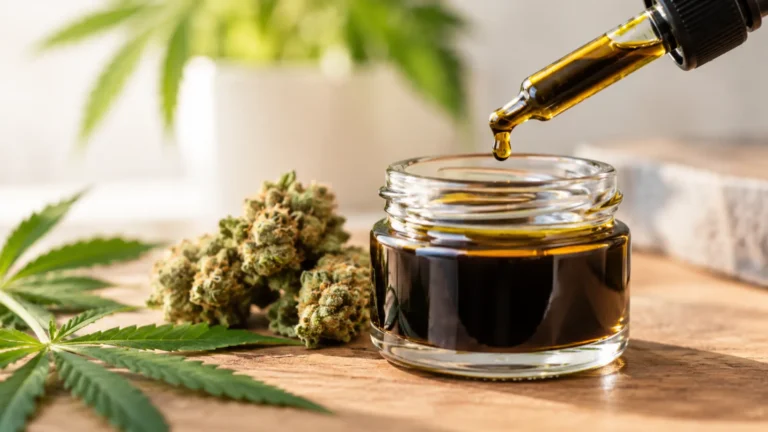
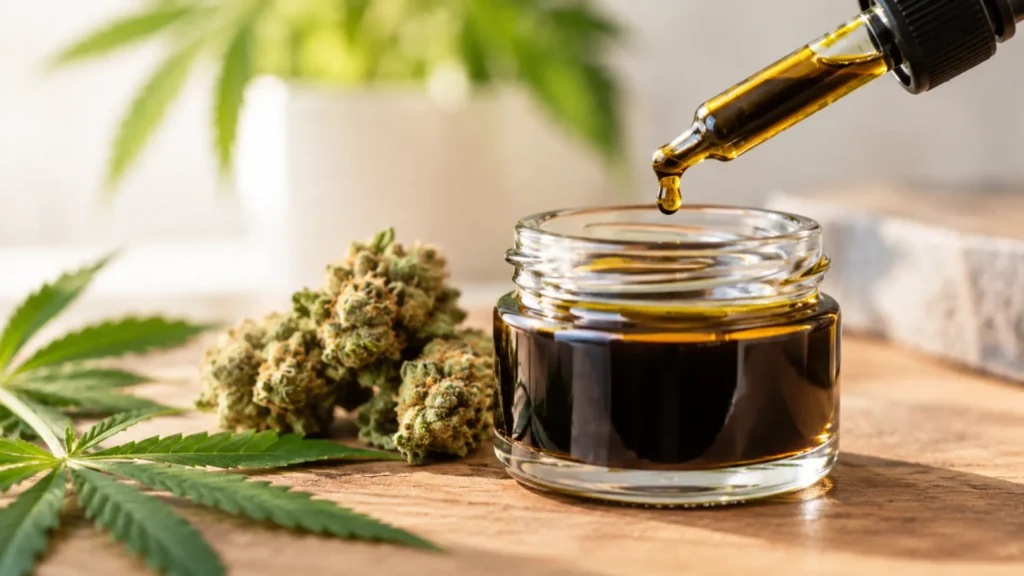
RSO oil, short for Rick Simpson Oil, is a concentrated cannabis extract known for its thick consistency, dark color, and potentially high tetrahydrocannabinol (THC) content. It is often discussed by medical marijuana patients interested in cannabis concentrates and their differences from other available products.
Although this extract has attracted attention for its reported therapeutic benefits, personal experiences are not the same as established medical evidence. Products can vary in cannabinoid concentration, and THC may cause intoxicating effects that affect memory, coordination, and judgment.
For Pennsylvania residents exploring medical marijuana, knowing how this concentrate is made, what research says about its potential uses, and what risks it may carry can help support more informed conversations with qualified healthcare professionals.
What Is RSO Oil Made Of?
RSO Oil is a thick cannabis extract traditionally produced using a solvent-based extraction process. The resulting substance is often dark brown or nearly black and may contain THC, cannabidiol (CBD), and other cannabis compounds. Its composition depends on the source material and extraction method.
Many formulations are associated with THC-dominant cannabis, although the cannabinoid profile can vary. THC is the primary intoxicating compound in cannabis, while CBD generally does not produce the same intoxicating effects.
Because RSO oil can be highly concentrated, a small amount may contain a substantial quantity of THC. Color and consistency do not reliably indicate potency, so patients should check the product label for cannabinoid content and manufacturer instructions.
How Does RSO Oil Work?
The effects of RSO oil depend on its cannabinoid content and how it is administered. THC interacts with the body’s endocannabinoid system, which plays a role in processes such as appetite, memory, mood, and pain signaling.
When a cannabis product is swallowed, its effects may take longer to begin than those of inhaled cannabis. The liver processes oral THC into metabolites that can contribute to its intoxicating effects. Timing and intensity vary according to the formulation, amount consumed, individual metabolism, and other factors.
A higher THC concentration does not necessarily mean a better outcome. Greater exposure can increase the risk of unwanted effects, including anxiety, dizziness, impaired coordination, confusion, and a rapid heartbeat.
The National Center for Complementary and Integrative Health (NCCIH), part of the National Institutes of Health, explains how cannabis and cannabinoids affect the body, their potential medical uses, and known safety concerns in its Cannabis and Cannabinoids: What You Need to Know resource.
What Is RSO Oil Used For?
RSO oil is frequently discussed in connection with symptom management, including pain, appetite changes, sleep concerns, and symptoms experienced by some people undergoing cancer treatment. However, evidence for a specific benefit depends on the condition, formulation, and outcome being studied.
Research involving certain cannabis-based medicines cannot automatically be applied to every cannabis extract. Different products may have different cannabinoid concentrations, and evidence supporting one formulation does not establish the effectiveness or safety of another.
Rick Simpson Oil and Pain Management
Some patients explore cannabis products as part of a broader approach to managing pain. Research has produced varying results depending on the type of pain and the cannabis-based treatment being evaluated.
RSO Oil should not be considered a proven treatment for every type of pain. Anyone experiencing persistent or severe pain should discuss treatment options with a qualified healthcare professional, particularly when taking prescription medication or managing other medical conditions.
Rick Simpson Oil and Cancer
RSO Oil is often promoted online as a cancer treatment, but reliable clinical evidence does not establish that it cures cancer. Research into cannabis compounds has explored certain symptom-related uses, but this is different from demonstrating that a cannabis extract eliminates tumors or treats the underlying disease.
Patients should not delay, replace, or discontinue evidence-based cancer treatment because of claims about cannabis oil. Anyone considering cannabis alongside cancer care should discuss the decision with their oncology team.
The National Cancer Institute’s Cannabis and Cannabinoids — Patient Version reviews research on cannabis and its compounds, including their potential uses for cancer-related symptoms and the limitations of current evidence. It also explains that cannabis itself has not been established as a cancer treatment.
Cannabis Extracts for Sleep and Appetite
THC-containing products may affect sleepiness and appetite, but individual responses vary. Some people experience unwanted effects such as anxiety, impaired concentration, or grogginess.
Cannabis is not a universal solution for sleep or appetite concerns. A healthcare professional can help assess the underlying cause of symptoms and discuss treatment options, potential benefits, and risks.
What Is the Difference Between RSO Oil and Other Cannabis Products?
RSO oil is one of several cannabis extracts available in medical marijuana markets. These products can differ in consistency, cannabinoid content, aromatic compounds, and intended use.
Rick Simpson Oil: A thick, often dark cannabis extract that may contain high levels of THC. Potency varies, so patients should review the label and follow the listed instructions.
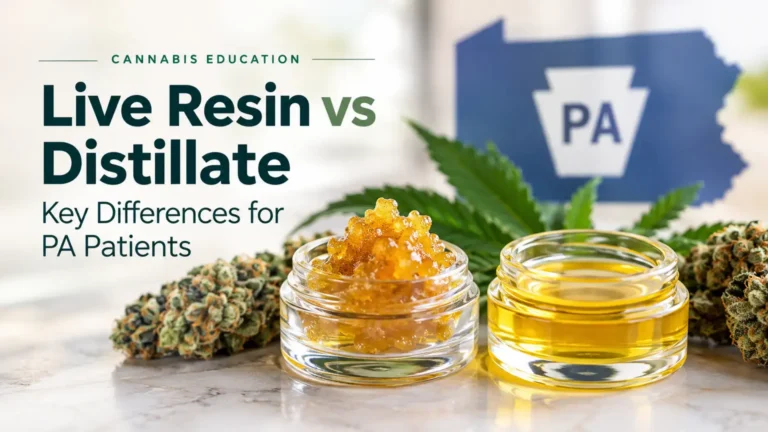
Cannabis Distillate: A refined extract designed to concentrate specific cannabinoids. Its cannabinoid and terpene profile may differ from that of Rick Simpson Oil.
Live Resin: An extract made from fresh-frozen cannabis material to preserve more aromatic compounds called terpenes. Its composition and potency vary by product.
Cannabis Tincture: A liquid cannabis preparation often supplied in a bottle with a dropper. Check the label to confirm the intended route of use and follow the manufacturer’s directions.
Cannabis Capsules: Measured cannabis preparations designed to be swallowed. Effects may take time to begin and can last for several hours.
These products are not interchangeable. Their names alone do not guarantee a particular THC concentration, effect, or suitability for an individual patient. Review product labels and consult a qualified healthcare professional when considering different formulations.
Is RSO Oil Legal in Pennsylvania?
Pennsylvania operates a regulated medical marijuana program. Eligible residents must meet the state’s requirements, obtain certification from an approved practitioner, and complete the required registration process to receive a medical marijuana ID card.
The state permits medical marijuana in authorized forms, including oils, subject to program rules. However, not every product marketed online as Rick Simpson Oil is necessarily approved for sale or appropriate for use in Pennsylvania. Patients should purchase through authorized state dispensaries and confirm that a specific product is available and permitted under the program.
The Pennsylvania Department of Health’s Medical Marijuana Program provides official information about patient eligibility, approved practitioners, dispensaries, and program requirements. The state’s patient registration guidance explains how to get started.
Potential Risks and Side Effects of RSO Oil
Because RSO oil may contain concentrated THC, its effects can be stronger than expected. This is particularly important for people who are new to cannabis or unfamiliar with high-potency products.
Potential THC-related effects include:
- Drowsiness and reduced alertness
- Dizziness or impaired coordination
- Anxiety, panic, or confusion
- Changes in short-term memory and concentration
- Increased heart rate
- Nausea or other unpleasant reactions
Effects may be harder to predict when a product is swallowed because the onset can be delayed. Taking more before the initial effects are felt may increase the risk of an uncomfortable or excessive reaction.
Follow product instructions and consult a doctor about appropriate use. Avoid driving or operating machinery while impaired, and avoid combining cannabis with alcohol or other intoxicating substances. If you take prescription or over-the-counter medication, ask a healthcare professional or pharmacist about potential interactions.
Homemade or unregulated extracts can pose additional risks, including uncertain potency and possible residual solvents or contaminants. Appearance and online testimonials cannot establish a product’s safety.
How to Choose an RSO Oil Product
Anyone considering rick simpson oil should focus on verified product information rather than marketing claims. Authorized dispensary staff may be able to explain labeled cannabinoid content and available formulations, while a healthcare professional can help assess individual medical considerations.
Before choosing a product, consider the following:
- THC and CBD content: Review the amounts listed on the package rather than relying on descriptions such as “strong.”
- Intended route of use: Confirm how the product is designed to be administered. Do not assume every cannabis oil is intended to be swallowed or applied to the skin.
- Product labeling: Look for clear information about cannabinoid content and manufacturer instructions.
- Potential interactions: Ask a professional about interactions with medications and existing health conditions.
- Personal tolerance: If you are unfamiliar with THC or concentrated cannabis products, discuss potential risks before use.
- Medical goals: Consider the symptoms you want to address and whether there is reliable evidence supporting the product for that purpose.
No single cannabis product is suitable for every patient. A higher concentration does not automatically mean a better result, and claims that this extract cures serious diseases should be treated with caution.
How to Get a Pennsylvania Medical Marijuana Card
To legally purchase lab-tested RSO oil and other regulated cannabis extracts, Pennsylvania residents must register through the state’s Medical Marijuana Program. Ozark MMJ Cards connects PA residents with state-approved MMJ doctors via fast, cheap, and secure telehealth appointments.
The general process includes these steps:
- Register with the Pennsylvania Medical Marijuana Program. Create a patient profile through the official state registry and provide the required information.
- Arrange a medical marijuana evaluation. Meet with a medical marijuana doctor who can review your medical history and determine whether you qualify.
- Receive certification if approved. The MMJ doctor submits the required certification through the state system.
- Pay the state ID card fee, if applicable. The standard patient card fee is $50, although certain participants in eligible assistance programs may qualify for a waiver. Confirm the current fee with the state.
- Use your valid medical marijuana ID card. Once your card is issued, you can visit an authorized Pennsylvania dispensary and review the products available.
The Pennsylvania Department of Health’s patient registration page provides official instructions and current requirements.
To learn more about obtaining a medical marijuana card evaluation, visit Ozark MMJ Cards. Certification depends on the medical marijuana doctor’s assessment and Pennsylvania program requirements; an evaluation does not guarantee approval.