
THC Drug Test: Does Medical Marijuana Show Up on Drug Tests
A THC drug test is one of the most common workplace and medical screening methods used to detect cannabis use. If you are a medical marijuana patient in Pennsylvania or considering applying for a card, understanding how testing works is essential.
A THC drug test typically screens for the presence of THC metabolites in urine, blood, saliva, or hair. Even if cannabis is used legally for medical reasons, these tests may still detect past use, which can create concerns for employment, legal compliance, or personal decision-making.
This guide explains how THC testing works, how long THC stays in your system, and what Pennsylvania patients should know about medical marijuana and drug screening policies.
What Is a THC Drug Test and How Does It Work?
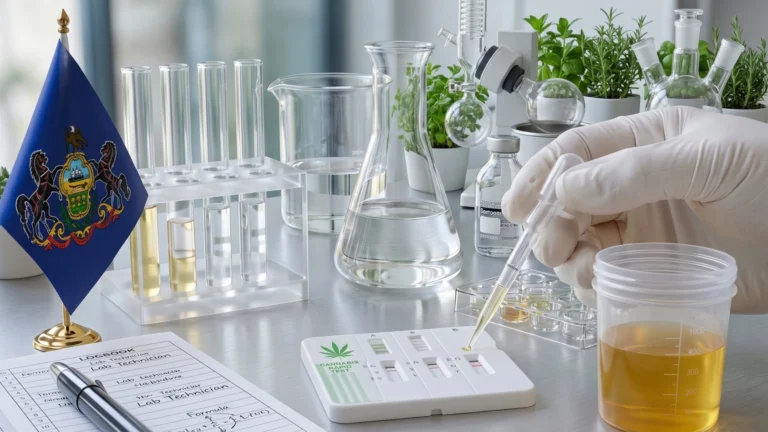
A THC drug test is designed to detect tetrahydrocannabinol (THC), the primary psychoactive compound in cannabis, along with its metabolites. Most standard workplace tests do not test for impairment—they test for past use.
Common types of THC testing include:
- Urine tests (most common)
- Blood tests (short detection window)
- Saliva tests (recent use detection)
- Hair tests (long-term usage history)
Urine testing is the industry standard because it is cost-effective and can detect THC use days or even weeks after consumption.
What these tests actually measure
Instead of detecting THC directly, most tests look for:
- THC-COOH (a metabolite stored in fat cells)
- Evidence of past cannabis consumption
- Patterns of repeated use
This means a positive result on a THC drug test does not necessarily indicate current impairment.
How Long Does THC Stay in Your System?
One of the most important factors in a THC drug test is detection time. THC is fat-soluble, meaning it can remain in the body longer than many other substances.
Typical detection windows:
- Occasional users: 1–3 days (saliva/urine may vary up to a week)
- Moderate users: 5–10 days
- Frequent users: 10–21 days
- Heavy daily users: 30+ days in urine tests
Hair follicle tests can detect THC use for up to 90 days, although they are less commonly used in employment screening.
Factors that affect detection time:
- Body fat percentage
- Metabolism speed
- Frequency of use
- Potency of cannabis products
- Hydration and overall health
Because of these variables, two people using the same product may receive very different THC drug test results.
Does Medical Marijuana Affect a THC Drug Test in Pennsylvania?
In Pennsylvania, medical marijuana is legal for certified patients. However, workplace drug testing policies are not always aligned with medical marijuana laws.
Key points for Pennsylvania patients:
- Employers may still conduct a THC drug test as part of hiring or workplace policy
- A medical marijuana card does not always guarantee protection from employment consequences
- Safety-sensitive jobs (transportation, healthcare, federal positions) often have stricter policies
- Some employers may offer accommodations, but this is not universal
While Pennsylvania law protects medical use under state regulations, federal law still classifies cannabis as a controlled substance. This creates a complex legal environment for patients who are subject to testing.
What Happens If You Fail a THC Drug Test?
Failing a THC drug test does not always lead to the same outcome. It depends on your employer, industry, and job role.
Possible outcomes include:
- Job offer withdrawal (pre-employment screening)
- Mandatory retesting or review
- Temporary suspension or disciplinary action
- No action (in employers with medical marijuana-friendly policies)
It is important to understand company policies before beginning treatment with medical marijuana in Pennsylvania.
Pennsylvania Medical Marijuana: What Patients Should Know
The Pennsylvania medical marijuana program is regulated by the Pennsylvania Department of Health, which oversees patient certification, approved qualifying conditions, and dispensary compliance across the state. While the program allows registered patients to legally use medical cannabis, it does not override workplace drug testing policies, which means a THC drug test may still return a positive result even for legally registered patients.
To legally access medical cannabis in Pennsylvania, patients must be certified by a licensed physician and register with the state program.
General process includes:
- Consultation with a certified medical marijuana doctor
- Approval for a qualifying condition
- Registration with the Pennsylvania medical marijuana program
- Receiving a medical marijuana card
Once approved, patients can purchase cannabis products from state-licensed dispensaries.
However, even with legal access, a THC drug test may still detect usage, so patients should plan accordingly based on their employment situation.
Can You Reduce THC Detection Time Before a Drug Test?
Many people search for ways to shorten how long THC stays in the body before a THC drug test, but it’s important to understand what actually works and what doesn’t.
THC is stored in fat cells and is released gradually over time, which means there is no instant or guaranteed way to eliminate it from your system. However, certain factors may influence how quickly your body processes it.
What may naturally affect THC elimination:
- Time: The most reliable factor, THC clears out gradually based on usage patterns
- Hydration: Staying hydrated supports normal kidney function, but does not “flush” THC instantly
- Exercise: Regular activity may help metabolism over time, but intense workouts right before a test can temporarily increase detectable metabolites
- Body composition: People with lower body fat may process THC slightly faster
- Frequency of use: Occasional users typically clear THC faster than daily users
What does NOT reliably work:
- Detox drinks or “quick cleanse” products
- Excessive water loading (can lead to invalid test results)
- Short-term fasting or extreme dieting right before a test
- Home remedies claiming same-day THC elimination
Important Reality Check
For a THC drug test, accuracy and detection depend on your usage history, not quick fixes. If a test is required for employment or legal reasons, the only predictable factor is abstinence over time.
For medical marijuana patients in Pennsylvania, this is especially important when planning ahead for job applications or workplace screenings.
Final Guidance on Applying
A THC drug test is designed to detect past cannabis use, which can affect employment status even for legal medical users. While Pennsylvania protects medical marijuana access, employers retain broad rights regarding workplace drug screening. Knowing what to expect from a test helps you make informed decisions about your care and career.
If you have questions about staying compliant or need to renew your registration, consider consulting a state-licensed medical marijuana doctor to discuss your options.